
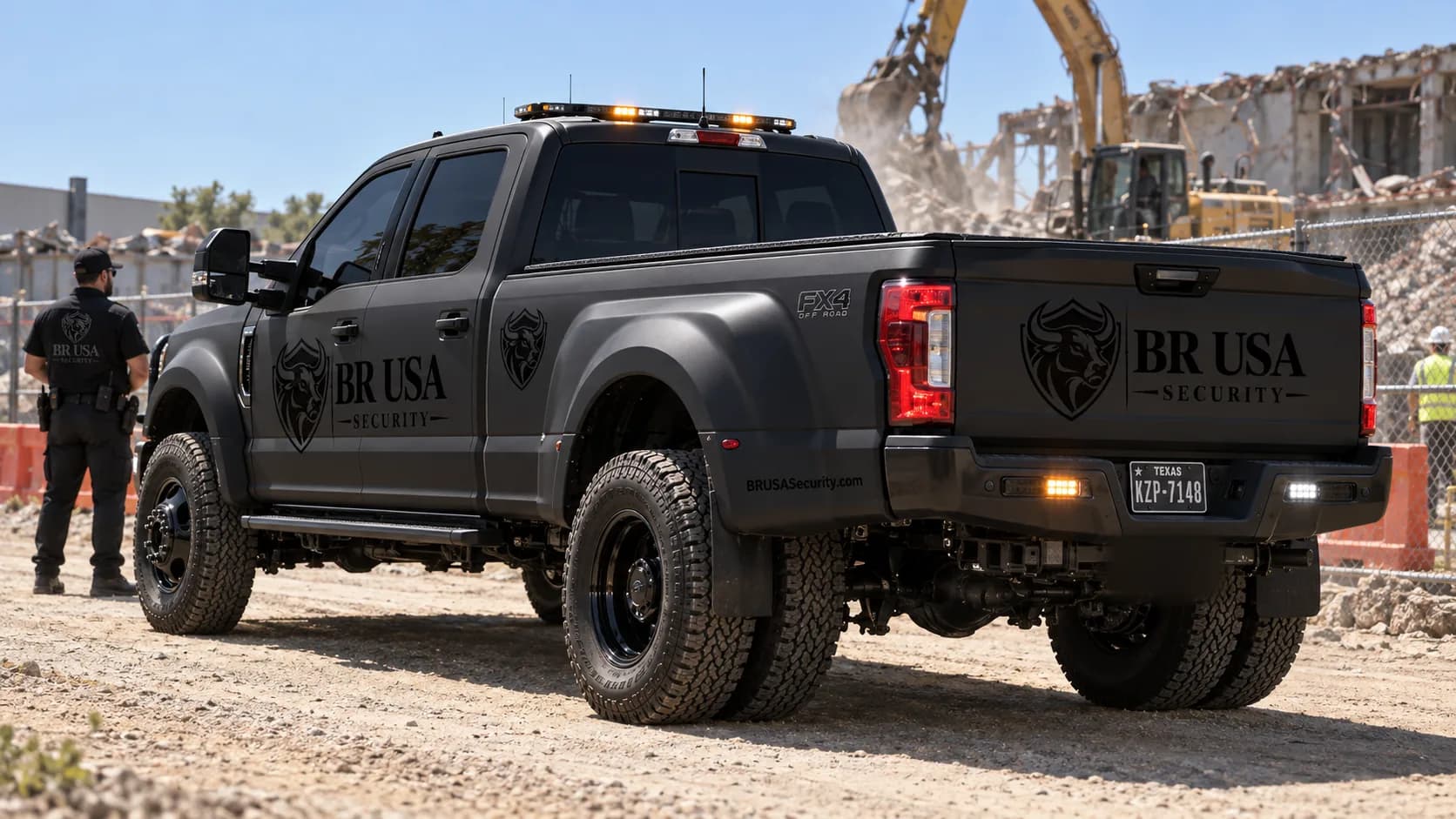
The short answer: In the first 24 hours after a commercial fire, owners should get the scene formally released, notify their insurer, document everything before cleanup, arrange board-up, and put security on site before the first night. Fire-damaged buildings are open, dark and without working alarms, which makes them easy targets for trespass, theft and intentional fires.
The trucks pull away. The smoke thins. And for the first time since the call came in, the building is quiet.
That quiet is the most dangerous part of the day. A fire-damaged building is open, dark, without working alarms and very obviously empty. Everyone driving past knows it. Some of them will come back tonight.
This checklist walks commercial owners through the first 24 hours, in order, so nothing falls through the gap between the fire department leaving and repairs beginning.
Hours 0-2: Get the scene released, and stay out until it's safe
Confirm the scene status. The fire department, and sometimes a fire investigator, controls the property until the scene is released. Ask the officer in charge when that will happen and whether investigators will return. Write down names and report numbers.
Don't go inside until it's declared safe. Fire weakens floors, stairs and roof structures. Smoke residue, ash and debris are health hazards. No document or piece of inventory is worth a collapsed floor.
Know when responsibility shifts. Once the scene is released, protecting the property becomes your responsibility again. Many commercial property policies also include a duty to take reasonable steps to protect the property from further damage. Read yours, or ask your agent today.
Hours 2-6: Make the calls that start everything else
Make these calls in this order:
- Your insurance carrier or agent. Report the loss, get a claim number and ask what they need from you right now.
- Security. Book coverage before the first night. Waiting until a break-in happens means the most exposed hours have already passed. BR USA Security mobilizes same-day across the Charleston area.
- Board-up and emergency services. Board-up closes openings against weather; restoration contractors handle water, smoke and debris.
- Utilities. Confirm with the fire department what was shut off and keep it off until a professional clears it.
- Tenants and staff. Tell them the building is closed, who is in charge and who is authorized to enter.
Hours 2-8: Document before anything moves
Insurers, investigators and attorneys may all care about the building's condition before cleanup starts. From a safe position, and only where you're allowed:
- Photograph and video every side of the building, every opening and every damaged area.
- List high-value equipment, inventory and records still inside.
- Note which doors, windows and gates no longer lock.
- Save every invoice from today forward, including security.
Hours 6-12: Close the openings, then cover what plywood can't
Board-up keeps weather out. It doesn't keep a determined person out. Plywood can be pried, kicked or cut, and a boarded building still looks exactly like what it is: empty.
Here's why that matters. National data on vacant buildings, which share many conditions with fire-damaged ones, shows that half of vacant building fires are intentionally set, compared with about 10% of all structure fires. In unsecured vacant properties, the share is about 61%.[1] Fires in vacant buildings are also more likely to spread beyond the structure of origin than other structure fires.[2]
A second fire, set by a trespasser warming up or covering a theft, can turn a repairable loss into a total one. Physical barriers plus a visible security presence is the combination that works.
Hours 12-24: Your first-night security plan
Before dark, the property should have:
- A posted officer or active patrol, ideally with a marked vehicle visible from the street.
- An access list naming who may enter (owner, adjuster, investigator, contractors) and a log of everyone who does.
- Defined observation points covering every opening that can't be locked.
- Hazard awareness so the officer knows which areas are unsafe and watches them from outside.
- An escalation chain: who gets called, in what order, for what.
If a fire alarm or sprinkler system serving occupied portions of the property is out of service, the fire code may also require a fire watch. That's a separate, specific obligation; see fire watch vs. security patrol.
The 24-hour checklist
| Task | Done |
|---|---|
| Scene released; names and report numbers recorded | ☐ |
| Insurance notified; claim number obtained | ☐ |
| Security booked before first night | ☐ |
| Board-up scheduled or complete | ☐ |
| Utilities status confirmed | ☐ |
| Photos and video of all sides and openings | ☐ |
| High-value contents listed | ☐ |
| Access list issued to security | ☐ |
| Tenants and staff notified | ☐ |
| All invoices saved | ☐ |
After day one
The first 24 hours set the tone, but post-fire recovery usually takes weeks or months. Coverage should scale down with the risk: 24/7 while the building is open, then overnight-only once it's boarded and fenced, then periodic checks until repairs are done.
If you're an adjuster, restoration contractor or attorney managing a fire loss, see how post-loss security fits your workflow.
BR USA Security protects fire-damaged commercial properties across the Charleston area around the clock. If the trucks just left, call (843) 606-0195 and we'll be there before dark.
Frequently asked questions
When does responsibility for a fire-damaged building return to the owner?
Once the fire department and any investigators release the scene, control of the property returns to the owner or the party responsible for it. From that point, protecting the property from further damage is generally the owner's job.
Should I put security on a fire-damaged building the first night?
Usually, yes. The first night is when the building is most exposed: doors and windows may be broken, alarms are often offline and the damage is visible from the street. Security on site before dark closes that gap.
Does insurance cover security after a fire?
It depends on your policy. Many commercial property policies require you to take reasonable steps to protect the property from further damage, and related costs may be considered. Ask your adjuster early and keep invoices and security reports.
Can I go back into my building after a fire?
Only when the fire department or a qualified professional says it is safe. Fire can weaken floors, roofs and stairs, and smoke residue and debris create health hazards.
Sources
- Office of State Fire Marshal Recognizes National Arson Awareness Week (USFA and NFPA vacant building fire data). North Carolina Department of Insurance. Accessed October 3, 2026.
- Vacant Buildings & Squatters (summary of NFPA, Fires in Vacant Buildings, 2018). City of Pueblo, Colorado. Accessed October 3, 2026.